
SEO & AI visibility
Structured data without invented claims
Publish machine-readable facts that match the page. Google and AI systems reconcile structured data with visible content, so a schema that contradicts the page erodes trust in both. Mark up only what a visitor can read: identity, services, FAQs and reviews that really exist.
Start with visible information
Choose a type that describes the actual page or business. Use confirmed names, URLs and properties. Do not add ratings, prices, certifications or profiles merely because a generated draft suggested them. Structured data should agree with information people can inspect on the website.
Validate the right layers
First check JSON syntax and basic JSON-LD structure. Then review the schema.org vocabulary and required properties for the intended feature. Google’s Rich Results Test checks supported rich-result types; valid JSON alone does not establish eligibility. Neither a validator nor an Organization node guarantees AI citations.
Apply without duplication
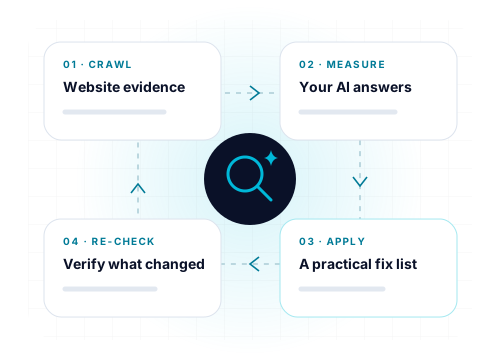
Check whether the CMS or SEO plugin already emits the same entity. Merge or adjust the existing implementation when appropriate. After deployment, inspect the delivered source and compare it with the visible content. Re-run syntax validation and the relevant feature-specific test.
See the measurement methodology for product-specific coverage and limitations.