
SEO & AI visibility
How to turn an SEO audit into fixes
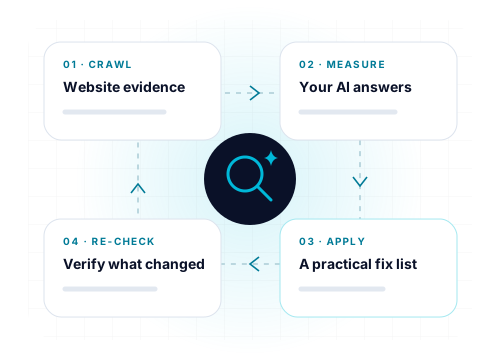
Start with crawl evidence and verify the highest-impact changes. An audit is a list of observations, not a to-do list: confirm each finding against the live page, fix the ones that block retrieval first, and re-crawl to prove the fix. Findings that cannot be verified stay open instead of being ticked off.
Read the coverage first
Before interpreting a score, check which pages were retrieved. A 10-page crawl is a sample on a larger website. A failed request gives no reliable evidence about that page’s title or content. Pages that depend on JavaScript require a rendered inspection. Sitemap URLs are discoveries, not proof of indexing.
Work in a useful order
Begin with unintentionally broken public pages and links. Then review preferred URLs, duplicate versions and missing page titles. Treat descriptions and heading checks as opportunities to clarify the page. Do not remove a noindex directive from a private account page simply to increase a score.
Implement and re-check
Open the affected URL and confirm the finding. Copy the implementation prompt into Claude Code or Codex in the correct repository. Review the diff, test the important user flows and deploy through your normal process. Re-crawl the same project. Check the resolved list and examine new findings rather than relying only on the overall score.
See the measurement methodology for product-specific coverage and limitations.